
Laura Kelsey Therapy
COUNSELLING & PSYCHOTHERAPY IN Brighton & Hove, East Sussex and online
Welcome to Laura Kelsey Therapy
Counselling & Psychotherapy in Brighton & Hove and Online
A space to be yourself, without having to hold everything together
Perhaps you spend a lot of time looking as though you're coping while feeling overwhelmed, anxious, disconnected or different underneath.
Maybe you've become very good at masking, people-pleasing, putting other people's needs first or trying to be everything everyone else needs you to be.
Therapy can be a place where you don't have to do that.
I'm Laura, a humanistic counsellor and psychotherapist with a Gestalt-informed approach. I offer warm, relational therapy for adults in Brighton & Hove and online, with particular interests in neurodiversity, LGBTQ+ clients, women's issues, trauma, self-esteem and relationships.
You don't need to have everything worked out before you get in touch. We can start with a conversation.
A place to feel understood
I believe therapy isn't about fixing something that is wrong with you. It's about having somewhere you can slow down, feel heard and begin to understand yourself with greater compassion.
My humanistic approach places the therapeutic relationship at the heart of our work. I aim to offer a space where you can bring your whole self without judgment or pressure to perform.
My Gestalt leaning means we may become curious about what is happening for you in the here and now: your thoughts, feelings, emotions, bodily responses and the patterns that emerge in the way you relate to yourself and others.
You don't need to know exactly what's wrong, or even what you want from therapy, before we begin. We can work that out together.
Who I work with
I have a particular interest in working with neurodivergent and LGBTQ+ clients, as well as women navigating identity, relationships and change.
You might be experiencing anxiety, overwhelm, low self-esteem, relationship difficulties, trauma, grief or a sense of feeling stuck. Or perhaps you simply know that something isn't feeling right and want some space to understand it.
Whatever brings you to therapy, we can start where you are.
About Laura
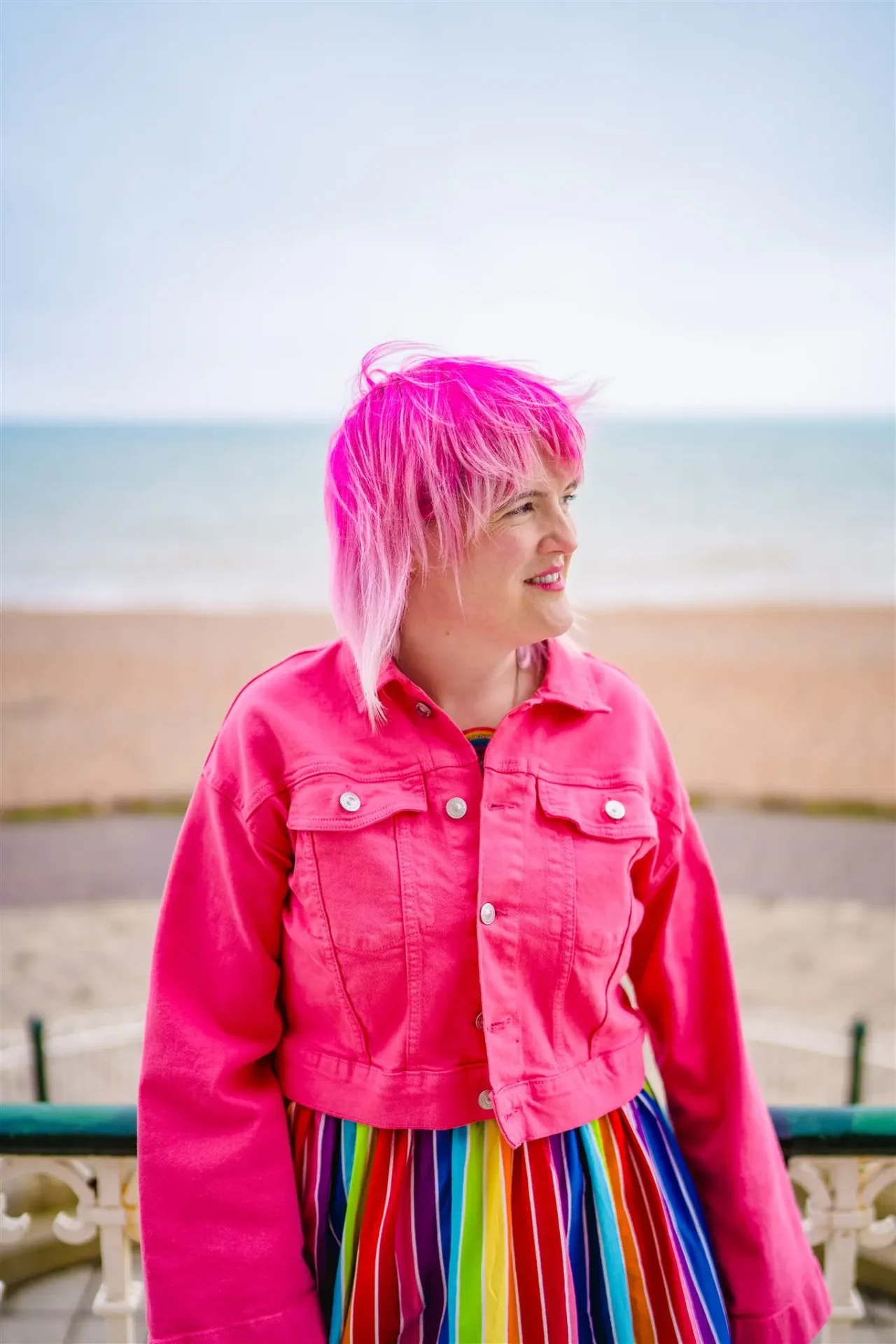
Hi, I'm Laura.
I'm a humanistic counsellor and psychotherapist with a Gestalt-informed approach. I believe that who we are is shaped by our experiences, our relationships and the ways we've learnt to navigate the world and that sometimes those ways of coping can stop feeling helpful.
I'm particularly interested in authenticity, neurodiversity, LGBTQ+ experiences and women's issues. I have experience working with people affected by trauma, domestic abuse, sexual trauma, addiction, anxiety, depression and bereavement.
Before becoming a therapist, I spent 20 years working in education, supporting children, families and staff. That experience has given me a broad understanding of the pressures people can carry in their relationships, families and working lives.
I am a qualified counsellor and registered member of the BACP. I trained at the University of Brighton and am currently studying for a Master's degree in Psychotherapy at the University of Brighton as part of my continuing professional development.
I am also neurodivergent myself. I know that sometimes the things that help us navigate the world can also leave us feeling exhausted, disconnected or as though we are constantly adapting ourselves to fit.
Alongside my professional life, I'm a colourful person and a dog lover. I value warmth, humour, creativity and genuine human connection and I try to bring those qualities into my work.
Clementine
I also work alongside my trained therapy dog, Clementine.
Clementine can be present during sessions if you'd find having a dog nearby supportive. Some people find an animal's presence comforting or grounding, while others simply enjoy having a friendly face and wagging tail around.
Her presence is always optional. Therapy with me can be with or without Clementine, depending on what feels right for you.
An Inclusive and Collaborative Space
I have experience working with LGBTQ+ and neurodivergent clients and recognise the importance of therapy spaces that feel affirming, inclusive and accepting of difference. I understand that many people have spent time feeling misunderstood, masking parts of themselves or navigating environments where they have not felt fully able to belong. I aim to offer a space where your identity, way of experiencing the world and unique ways of being are welcomed with curiosity, respect and care.
I understand that starting therapy can feel daunting, and I see the process as collaborative; we work together to explore whatever feels important to you. I welcome clients experiencing anxiety, overwhelm, relationship difficulties, low self-esteem, loss, life transitions or a general sense of feeling stuck.
Above all, I believe meaningful change can happen when we feel safe enough to be ourselves.
At the heart of my work is the belief that you don't have to weather life's moments alone. I offer a space where you can slow down, breathe, and explore whatever you're carrying at your pace, in your way
My location
I work from private offices in Brighton & Hove, East Sussex, and see clients from across the local area. I will provide full location details when we arrange our counselling sessions.
In addition to face-to-face therapy, I also offer telephone counselling and online sessions via Zoom for clients in the wider area and beyond. Contact me to find out more about how online therapy works.

Fees & availability
Sessions last for 50 minutes and are usually held weekly. I find that meeting regularly can help create a sense of continuity, safety and connection within the therapeutic relationship.
I currently have availability evenings, early mornings and weekends as well as during the day, so please get in touch to discuss a time that works for you.
Initial conversation – a brief opportunity to email/speak to me about what you're looking for and ask any questions.
First therapy session/assessment – £30 – a 50-minute session where we explore what brings you to therapy and whether working together feels right.
Ongoing sessions – £65 – 50 minutes, usually weekly.
I ask for 48 hours’ notice if you need to cancel or rearrange a session. Unfortunately, sessions cancelled after this time will be charged at the full fee.
Payments can be made via bank transfer, card payment or cash.
Get in touch
Not sure whether therapy with me is right for you? That's completely okay.
You don't need to write a long explanation or know exactly what you need. Send me a message and we can have an initial conversation about what's bringing you to therapy and whether I might be a good fit.
Some frequently asked questions
Do I need to know what I want to talk about?
No. You don't need to have everything worked out before you start therapy. You might know exactly what's troubling you, or you might simply have a sense that something isn't quite right.
We can start wherever you are and take some time to understand what's happening for you. You don't need to have the right words or know exactly what you need from therapy before you get in touch.
How long will I need to have counselling?
There’s no fixed or ideal length of time for the counselling process; it varies from person to person and will often depend on the depth of the issues they are facing. While I can work on an open-ended basis with clients, I find it is helpful for us to both agree before we start on undertaking a certain number of sessions and reviewing where we are at once we reach that point. You are able to decide how long your therapy will last, and in return my aim is to make sure therapy continues for only as long as it is of benefit to you.
This depends on what your needs are. Some people find that after only a very few sessions they have some clarity and focus and are ready to end the therapy. Other people value the ongoing support and relationship with me and will continue to come for weeks, months, or even years. There is no 'one-size-fits-all' when it comes to therapy.
How long will I have to wait for an appointment?
My aim is to offer you a first appointment, known as an assessment session, within 1-2 weeks, and this session can be up to 50 minutes and will be charged at £30. In this session, we will explore what brings you to therapy, and it will be a chance for us to discuss our work together and see if we're a good fit. However, waiting times will vary depending on finding a mutually available time.
Will everything I say be kept confidential?
Confidentiality is one of the main ways in which therapy differs from many other forms of helping - for example, talking to friends or family can rarely offer the same degree of confidentiality as talking to a counsellor. Because of this confidentiality, you will find that - as you get used to coming for therapy - you are freer to talk about whatever you wish to.
No therapist can offer 100% confidentiality: there are some situations where the law requires disclosure of risk (e.g. certain child protection issues) and in common with most other therapists, there are some situations where I may not be able to keep total confidentiality. In particular, if someone tells me that they are thinking of harming themselves in a way that I believe puts them at serious risk, or if someone tells me that they are doing something that could put others at risk, I may not be able to keep such information confidential. However, breaking confidentiality is rare, and only happens after talking to the person concerned.
How do I know if you're the right therapist for me?
Finding the right therapist can take a little time, and it's okay not to know straight away.
I offer an initial conversation so that we can talk about what brings you to therapy, what you're hoping for and any questions you might have. It's also an opportunity for you to get a sense of me and how I work.
The therapeutic relationship is an important part of therapy, so finding someone you feel comfortable with matters. There is no pressure to decide that we should work together after our initial conversation.
What is Gestalt therapy?
Gestalt therapy is a humanistic psychotherapy that encourages people to become more aware of their experiences in the here and now. It views individuals as whole beings in constant interaction with their environment. Rather than focusing only on symptoms or the past, Gestalt therapy explores what’s happening in the present, including your thoughts, emotions, and body sensations.
The process invites curiosity about how one feels, acts, and relates. Through awareness and guided experimentation, clients can discover new possibilities for connection and change. For more information, take a look at these links to explore more:
Privacy Policy | ICO Registration number: ZC181637
© Laura Kelsey Therapy
powered by WebHealer